
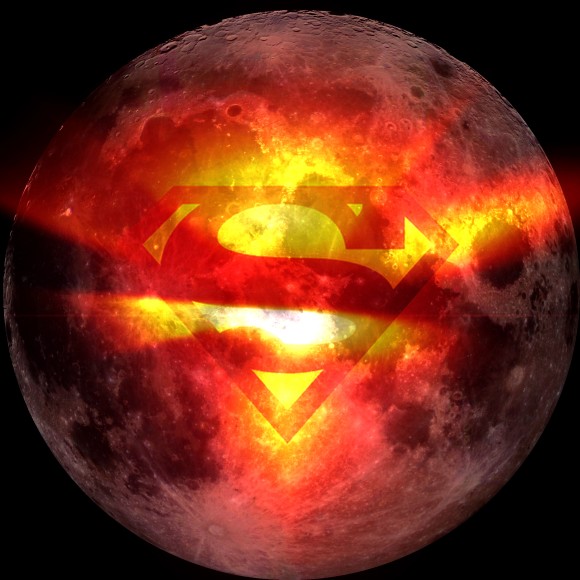
Just want to make sure our LC5 scientists and their families enjoy what the natural world is serving up this weekend! Starting tomorrow night you will not want to miss the opportunity to view Earth’s natural satellite. I know some of you have some spectacular telescopes that should come in handy but the rest of us will be treated as well to a fantastic view of a supermoon as the weather forecast appears to be clear. A supermoon is when the moon is both full and at perigee (an orbital position closest to Earth). The official perigee point in time will be Monday morning at 6:52am right before moonset in the west. If you are up early Monday morning for work or school look west for a special site.
This is a great explanation from NASA on the science behind the occurence we have the opportunity to enjoy :)) NASA Rocks Supermoon Explanation!
Maria…. we are counting on you!


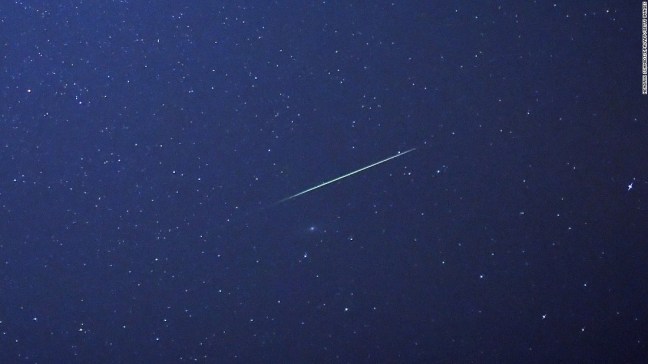 WAAAAAY cooler than a bird or a plane …. a meteor shower!! This summer’s Perseid meteor shower is expected to be more prolific than most. The Perseids occur regularly in August as Earth’s revolution passes through the dust and debris left behind by 1992’s Comet Swift-Tuttle (This comet with its elongated elliptical orbit won’t pass by Earth again until 2126!) Most Augusts you can be expected to see around 50 meteors per hour. This year, astronomy experts are predicting 150-200 meteors per hour!


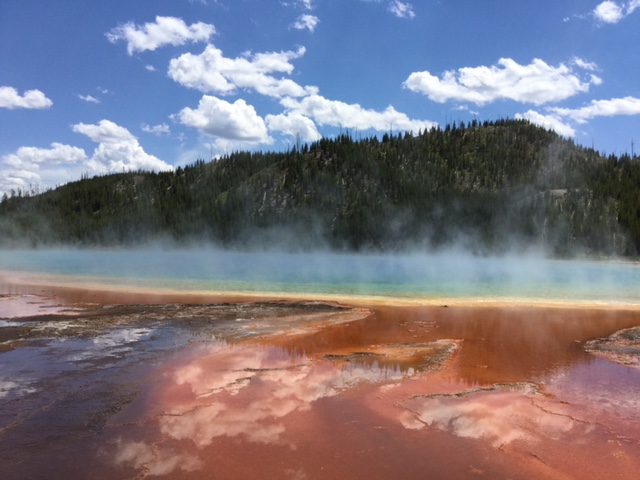 Fellow Fiver, Maddie, and her family enjoyed special vacation time at Yellowstone National Park a few weeks ago! Sadly the little baby bison above, Maddie reports, had a broken leg. It looks like “Mom” was shedding her winter coat. Check out the cool hot spring photo. I wonder what is making the water that reddish-brown color?
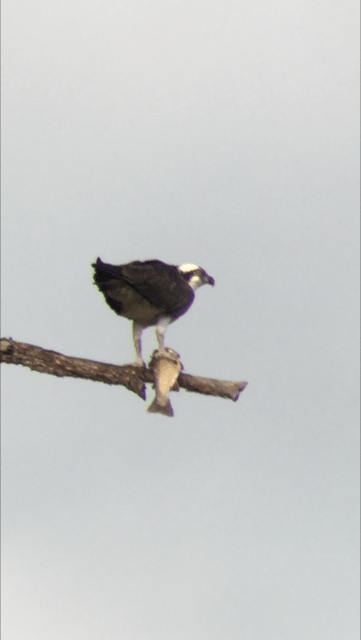 That bird of prey that Maddie captured in the camera lens is an Osprey. An expert fisherman! Is that a trout?












 Never Stop Questioning!